
Blind rivets, also known as pop rivets, changed the way engineers and manufacturers approached fastening. Unlike nuts and bolts, which require access to both sides of a joint, blind rivets only need access from one side, making them an efficient, reliable, and versatile solution. This simplicity has made them indispensable in industries where speed, precision, and durability are essential—most notably in automotive and aerospace applications.
Advantages of Blind Rivets
The key advantage of blind rivets is their ability to secure joints without needing rear access. This saves time, reduces labour, and allows manufacturers to assemble components in situations where other fastening methods would be impractical. They are also lightweight, cost-effective, and vibration-resistant—qualities that make them ideal for vehicles and aircraft.
How Blind Rivets Work
Blind rivets consist of two parts: the body (a hollow cylinder) and the mandrel (a pin with a ball on the end). When inserted into a hole, a rivet gun pulls the mandrel back. The ball forces the cylinder to expand and lock in place, creating a strong mechanical hold. Once the mandrel snaps at a predetermined point, the rivet is set permanently, with the head on one side and the expanded section securing the other. The “pop” sound when the mandrel breaks gives them their name—pop rivets.
Why Rivets are Essential in Aerospace
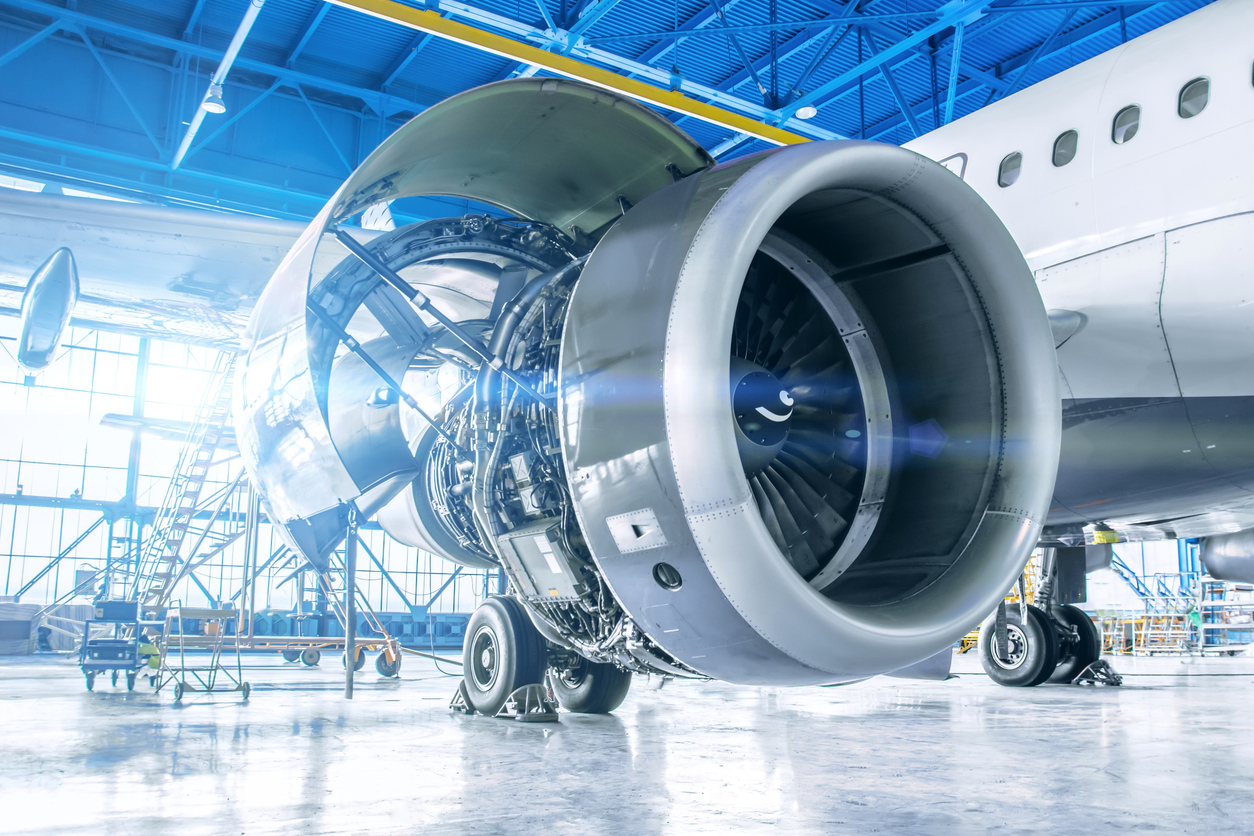
Aircraft construction requires fasteners that are lightweight, reliable, and resistant to vibration. Blind rivets meet all three requirements. Look closely at an aeroplane wing, and you’ll notice rows of small fasteners securing the panels—that’s the work of blind rivets. They allow tight joins without protruding hardware, which minimises drag. Aluminium rivets are most common in aerospace because they combine strength with a low weight, ensuring safety and fuel efficiency.
Blind Rivets in Automotive Applications
The automotive industry values blind rivets for their ease of use and long-term reliability. They are often used in areas where nuts and bolts would be impractical or add unnecessary weight. Examples include dashboards, sunroofs, interior panels, and even certain parts of the chassis.
Plastic blind rivets have also become popular for applications such as upholstery, bumpers, and non-metal joins. They are corrosion-resistant, easy to paint over, and prevent chemical reactions with coatings—making them a smart choice for automotive assembly.
Where to Buy Reliable Blind Rivets
For consistent quality and the right advice, it’s important to source blind rivets from experienced fastener suppliers. Wholesale providers often carry a wide range of rivet types and materials, ensuring you can find the right option for your project. If you’re unsure which rivet to choose, discussing your application with a specialist can save time and guarantee the correct selection.
At Bricon Industries, we stock high-quality blind rivets for automotive, aerospace, and industrial use. Our team is always ready to help you select the right fasteners for your needs. Contact us today for expert advice and support.