
Climate plays a major role in the performance and lifespan of machine parts. That’s why working with reliable bolt suppliers in Brisbane is so important – you need products designed for both the place of manufacture and the conditions where the machinery will spend its life. In hot, humid, and marine environments, the risks of corrosion, rust, and premature failure are high, so choosing the right fastener materials is critical.
What Does Marine Grade Hardware Mean?
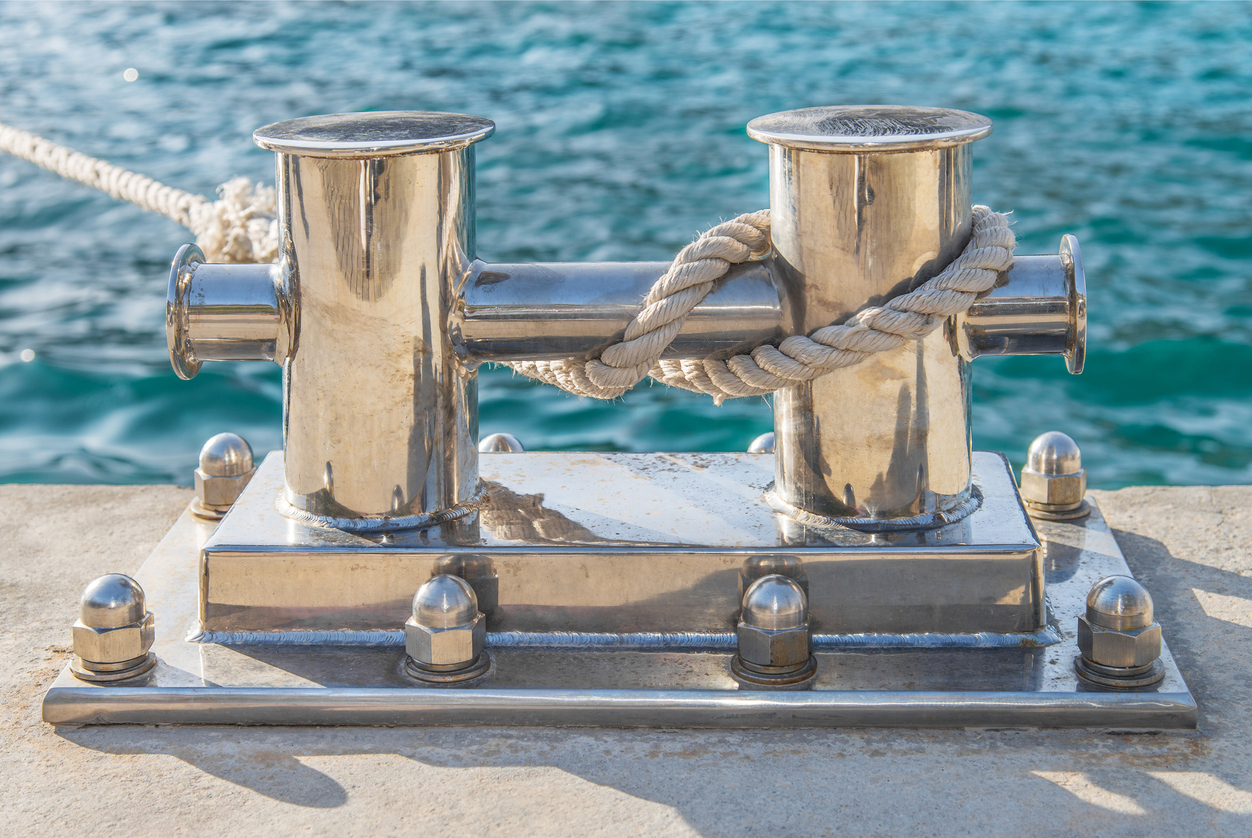
Marine grade hardware refers to fasteners and components specifically designed for environments where exposure to water – particularly saltwater – is unavoidable. Salt accelerates corrosion, making it one of the harshest natural threats to metals like iron and steel. For this reason, boatbuilders often rely on materials such as stainless steel, aluminium, uPVC, and other corrosion-resistant alloys in marine construction.
What is Marine Grade Corrosion Resistance?
To withstand moisture and salt exposure, certain materials and treatments are used for marine fasteners:
- Galvanised steel: Coated with zinc for protection, though vulnerable to abrasion or scratches.
- Stainless steel: The chromium content creates a self-healing oxide layer that resists rust.
- 304 stainless steel: Commonly used, but less durable in saltwater than 316.
- 316 stainless steel: Contains molybdenum, making it highly resistant to salt corrosion and the preferred “marine grade.”
- Silicon bronze: Popular for boatbuilding; corrosion-resistant and gentle on wood, though more costly than stainless steel.
- Monel: A nickel-copper alloy with exceptional resistance to saltwater corrosion, often used in premium applications.
Beyond materials, different bolt types – such as hex bolts, carriage bolts, and lag bolts – offer varying benefits in marine conditions. Expertise and supplier guidance are key in selecting the right option.
Practical Considerations for Marine Fasteners
In boats and coastal machinery, even interior fasteners face constant exposure to salty air. Protective coatings like varnish or paint provide only limited defence. The best long-term strategy is to invest in high-quality materials that won’t compromise the structure. While threaded fasteners are widely used, rivets, nails, and specialised marine hardware also have a role depending on the application.
When working in specialised areas such as yacht rigging, alternatives like silicon bronze clevis pins may be specified over threaded fasteners, showing how material choice often outweighs design preference in marine environments.
In Conclusion: Which Type of Fastener is Best in Hot and Humid Marine Climates?
In tropical and marine climates, corrosion resistance is the deciding factor. 316 stainless steel and silicon bronze are the most reliable options for long-term durability, with Monel available for projects where cost is less of a concern. Choosing cheaper, unsuitable metals will result in early failure – no amount of clever engineering can overcome the wrong material in harsh conditions.
At Bricon Industries, we stock a wide range of fasteners in durable alloys designed to meet Australia’s toughest environments. Our team can help you choose the right solution so your projects perform reliably – whether inland, coastal, or out at sea.